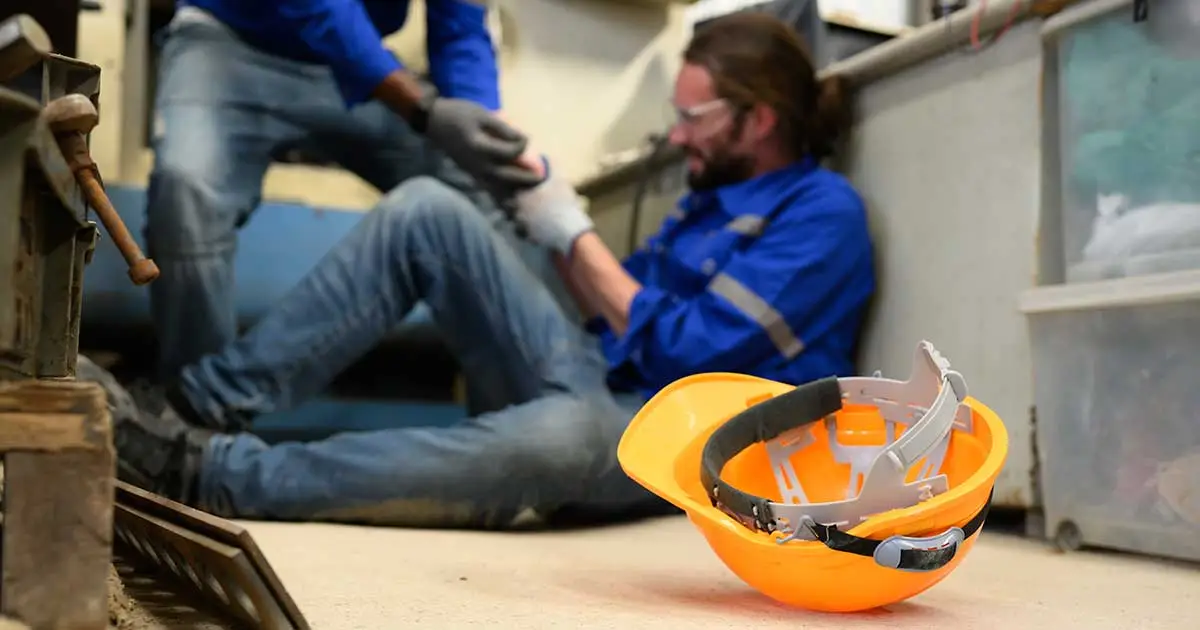
What to Do After a Workplace Injury in Palm Springs, California
A workplace injury can turn an ordinary shift into a stressful scramble: pain, paperwork, missed wages, and uncertainty about who pays for care. If you were hurt while working in Palm Springs, California, the most important first steps are to get medical help, notify your employer, document what happened, and start the workers’ compensation claim process as soon as possible. California’s workers’ compensation system is designed to cover medical treatment, replace part of lost wages during recovery, and help injured employees return to work, though it does not cover pain-and-suffering damages. (dir.ca.gov)
This guide offers general information, not legal advice. Rules can change and individual facts matter, so use it as a practical roadmap and speak with the California Division of Workers’ Compensation, an Information & Assistance officer, or a qualified attorney if you need case-specific help.
What should you do first after a workplace injury?
First, protect your health and create a clear record of the injury. In an emergency, call 911 or go to the nearest emergency room right away, and tell the medical provider that the injury or illness is job-related. If it is not an emergency, report the injury to your supervisor promptly, ask where to receive authorized care, and get first aid or medical evaluation when needed. California’s Division of Workers’ Compensation warns that if you do not report your injury within 30 days, you could lose your right to workers’ compensation benefits. (dir.ca.gov)
That first day matters because small details can become important later. A fall, equipment accident, heat-related illness, repetitive strain injury, vehicle incident, or exposure to chemicals may seem straightforward at the moment, but symptoms can change. Write down the date, time, location, task you were performing, names of witnesses, and what you felt immediately after the incident.
A simple first-step checklist can help:
- Get urgent care if needed. Do not wait for permission if you need emergency treatment.
- Tell your employer quickly. Notify a supervisor, manager, or HR contact as soon as you can.
- Say it is work-related. Tell medical staff and your employer that the injury happened at work or because of work duties.
- Write down the facts. Include what happened, where, who saw it, and what body parts or symptoms are involved.
- Save paperwork. Keep copies of medical notes, work restrictions, emails, texts, claim forms, and incident reports.
- Follow treatment instructions. Missed appointments or unclear communication can complicate your recovery and your claim.

Reporting the injury clearly protects your claim
Many work-related injuries are reported verbally at first, especially when everyone is focused on getting medical help. That is understandable, but a written record is safer. After you tell your employer, follow up with a short email, text, or written statement confirming what happened and when you reported it. Keep the tone factual, not emotional or accusatory.
For example, you might write that you injured your lower back while lifting boxes during your shift, reported it to your supervisor at a specific time, and are requesting the workers’ compensation claim form. If symptoms developed over time, explain when you first noticed the problem and why you believe it is connected to your job duties. Gradual injuries, such as wrist pain from repetitive work or shoulder pain from repeated overhead lifting, should be reported when you learn or believe they were caused by work. (dir.ca.gov)
Palm Springs workplaces vary widely, from hospitality and restaurants to healthcare, construction, retail, landscaping, transportation, and office work. The setting may change, but the reporting principle is the same: connect the injury to the job task, identify the body part or condition, and keep a copy of what you submitted.
Filing the DWC 1 claim form starts the formal process
In California, injured workers typically use the Workers’ Compensation Claim Form, known as the DWC 1, to start a formal workers’ compensation claim. The state’s injured-worker resources include guides and forms for filing a claim, and the DWC 1 form itself tells employers to date the form and provide copies to the insurer or claims administrator and to the employee within one working day after receiving it from the employee. (dir.ca.gov)
Do not assume an incident report is the same as a workers’ compensation claim. An internal accident report may help document what happened, but the DWC 1 is the claim form used in the California workers’ compensation system. If your employer does not give it to you after learning about the injury, you can download it from the Division of Workers’ Compensation website or ask the DWC Information & Assistance Unit for help finding the right form. (dir.ca.gov)
When completing the employee section, be accurate and concise. Describe the injury in plain language, list affected body parts, and avoid guessing about diagnoses you have not received. Make a copy before handing it in, and note the date and method of delivery. If you deliver it in person, ask for a dated copy. If you send it electronically, save proof that it was sent.
Medical treatment and work restrictions matter
Once a claim is filed, your employer is required to provide medical care through the workers’ compensation process. California DWC states that medical care must be paid for by the employer if you are hurt on the job, whether or not you miss time from work. (dir.ca.gov)
Your treating doctor’s notes can affect your benefits, work status, and recovery plan. Be specific about your symptoms, the movements that make them worse, prior treatment, and whether the injury affects your ability to lift, stand, bend, drive, type, or perform other job tasks. If the doctor gives restrictions, such as no lifting over a certain amount or no prolonged standing, give those restrictions to your employer and keep a copy.
Follow the authorized treatment plan as closely as you can. If appointments, therapy, prescriptions, or referrals are delayed, write down whom you contacted and when. Documentation is especially useful if there is a dispute about whether care was requested, authorized, or scheduled.
What benefits may be available after a workplace injury palm springs workers face?
Workers’ compensation benefits generally focus on medical treatment, partial wage replacement during recovery, help returning to work, and certain additional benefits when an injury causes lasting impairment. The California DWC explains that workers’ compensation is intended to provide medical treatment, partially replace lost wages while recovering, and help injured workers return to work. (dir.ca.gov)
Depending on the facts, benefits may include:
- Medical care: Treatment reasonably needed for the work injury or illness.
- Temporary disability benefits: Wage replacement when the injury prevents you from doing your usual work during recovery.
- Permanent disability benefits: Payments when a work injury leaves lasting impairment.
- Supplemental job displacement benefits: A voucher for qualifying workers who do not fully recover and do not return to suitable work with the employer.
- Death benefits: Benefits for eligible dependents when a worker dies from a job injury or illness. (dir.ca.gov)
Not every case involves every benefit. A minor injury may only require medical care and a short period of modified duty. A serious injury may involve long-term treatment, disability evaluations, disputed medical opinions, and return-to-work planning.
Keep your own injury file from the beginning
A well-organized file reduces stress and helps you answer questions accurately. It also prevents the common problem of important information being scattered across texts, medical portals, paper forms, voicemail messages, and pay stubs.
Create one folder, digital or paper, for:
- The date, time, and location of the injury
- Names and contact information for witnesses
- Photos of the hazard, equipment, or visible injury, if safe and appropriate
- Copies of the DWC 1 and any incident reports
- Medical visit summaries and work restrictions
- Mileage, parking, or pharmacy receipts related to treatment
- Messages from your employer, insurer, claims administrator, or medical providers
- Pay stubs showing your usual earnings before and after the injury
- Notes from every phone call, including the date, person’s name, and what was discussed
This does not mean you need to become a legal expert overnight. It simply means you should preserve the facts while they are fresh. If a disagreement develops later, good records are often easier to rely on than memory.
Local resources for injured workers in Palm Springs
Palm Springs workers are part of California’s statewide workers’ compensation system, but local access still matters. The DWC lists district offices around California, including the Riverside district office at 3737 Main Street, Suite 300, Riverside, CA 92501-3337, with an Information & Assistance Unit and a general office phone number of 951-782-4269. The DWC also provides a statewide Information Services Center at 1-800-736-7401 and a ZIP code locator to help workers find the district office serving their area. (dir.ca.gov)
Information & Assistance officers can help injured workers understand forms, procedures, and available resources. The DWC notes that these services are free, although I&A officers do not act as attorneys. (dir.ca.gov)
If your claim is denied, medical treatment is delayed, wage benefits seem incorrect, or your employer is not following work restrictions, it may be time to ask for help. You can start with the DWC resources, attend an injured-worker workshop, or consult a workers’ compensation attorney. For serious injuries, disputed claims, permanent disability issues, or pressure to return before you are medically cleared, getting advice early can prevent avoidable mistakes.
Common mistakes to avoid
After a workplace injury, people often make decisions quickly because they want to keep their job, avoid conflict, or get back to normal. That is natural, but avoid these common missteps:
- Waiting too long to report the injury. Prompt reporting helps avoid delays and protects your rights.
- Downplaying symptoms. Be honest if pain increases, spreads, or affects your ability to work.
- Skipping the DWC 1 form. A workplace incident report may not be enough to start the formal claim.
- Ignoring work restrictions. If your doctor limits certain tasks, make sure your employer receives the restrictions.
- Posting carelessly online. Photos or comments may be misunderstood outside their full context.
- Relying only on verbal promises. Confirm important conversations in writing whenever possible.
- Missing deadlines or appointments. Calendar every medical visit, form deadline, and claim communication.
The practical takeaway
If you are looking up What to Do After a Workplace Injury in Palm Springs, California, start with the basics: get medical care, report the injury, request and complete the DWC 1 claim form, follow treatment instructions, and keep organized records. Those steps can make the workers’ compensation process less confusing and help you protect your health, income, and job-related rights.
Workplace injury Palm Springs cases can range from a same-day clinic visit to a long recovery involving specialists, modified duty, and benefit disputes. You do not have to have every answer on day one. Focus on clear communication, timely reporting, and reliable documentation, then reach out to California DWC resources or a qualified professional if the claim becomes complicated.